
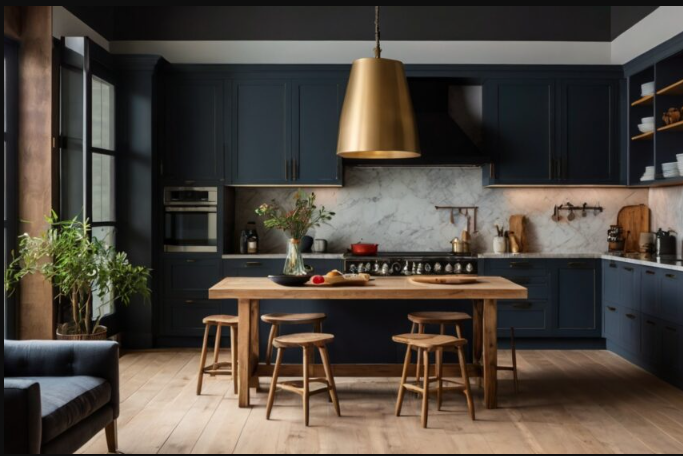
The Essence of Japandi
Japandi—a blend of Japanese minimalism and Scandinavian design—creates a serene, balanced living space that embraces simplicity and nature. This style highlights tranquility, functionality, and a seamless connection to the natural world. Whether you’re a design lover or seeking a calmer home atmosphere, a Japandi kitchen offers the perfect blend of warmth and harmony.
1. Embracing Minimalism

Minimalism lies at the core of Japandi design. By removing unnecessary elements, you cultivate a space that feels calm and purposeful. The focus is on furniture with clean lines and simple forms, where every piece is intentional and functional.
2. The Role of Natural Materials

Natural materials such as wood, stone, and bamboo are essential elements in Japandi kitchens. They add warmth and texture while preserving a sense of purity and authenticity. Try incorporating reclaimed wood for countertops or a stone backsplash to achieve a look that’s both rustic and refined.
3. Incorporating Plants
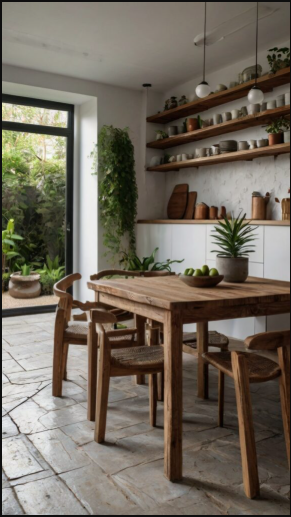
Plants play a vital role in Japandi design, representing growth, life, and harmony with nature. They purify the air and bring a refreshing organic touch to your space. Choose low-maintenance options such as succulents, snake plants, or fiddle leaf figs to naturally elevate your kitchen’s ambiance.
4. Thoughtful Lighting

Lighting is essential in shaping the serene atmosphere of a Japandi kitchen. Soft, ambient light from pendant fixtures, floor lamps, or recessed lighting helps create a warm, calming mood. Enhance the natural feel by adding skylights or large windows to let daylight gently fill the space.
5. The Importance of White

White is a cornerstone of Japandi design, reflecting light and evoking a sense of openness and calm. Use it across walls, cabinetry, and countertops to establish a clean, neutral foundation. This versatile backdrop allows natural materials, soft hues, and subtle textures to stand out beautifully.
6. Texture and Contrast
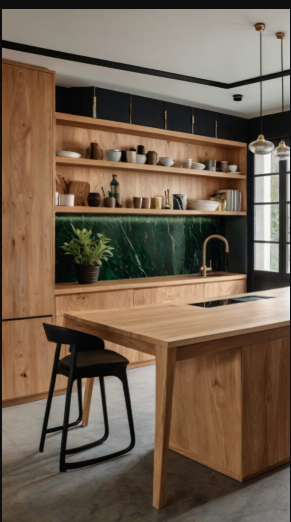
While minimalism defines Japandi design, texture brings warmth and dimension to the space. Balance smooth surfaces with tactile elements—for instance, pair a polished countertop with a brushed metal faucet or sleek cabinetry with rustic wood handles. This contrast adds subtle richness while maintaining simplicity.
7. Hidden Storage Solutions
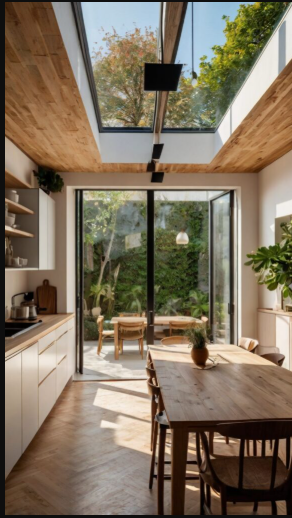
Clutter has no place in Japandi design. To maintain a clean, serene atmosphere, prioritize hidden storage solutions. Incorporate built-in shelving, pull-out drawers, and cabinets with concealed hinges to keep essentials neatly tucked away and your space effortlessly organized.
8. Art of Shoji Screens
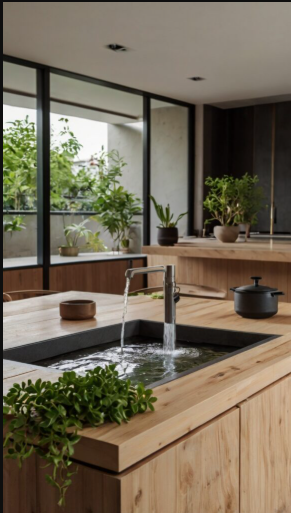
Shoji screens are a signature element of Japandi design, striking a perfect balance between openness and privacy. Their translucent panels gently divide the kitchen from adjoining spaces while allowing natural light to flow through, creating a soft and serene atmosphere.
9. Incorporating Water Elements
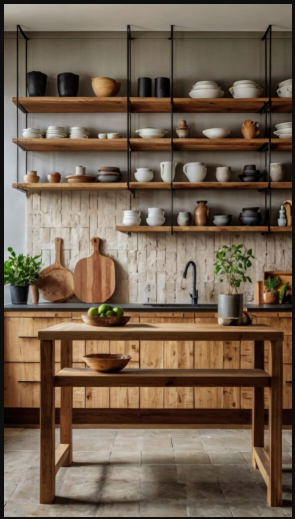
Incorporating a water feature, such as a small fountain or indoor waterfall, can add a soothing sense of calm to your Japandi kitchen. These elements reflect the natural beauty of flowing water, creating a peaceful focal point that enhances the room’s serenity.
10. Multi-functional Furniture
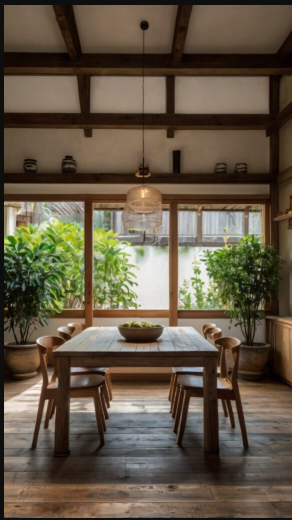
In a Japandi kitchen, every piece of furniture is designed with purpose and versatility in mind. A built-in desk with storage underneath, for example, can function as both a workspace and a convenient spot to keep cookbooks or everyday essentials neatly organized.
11. Sustainable Design
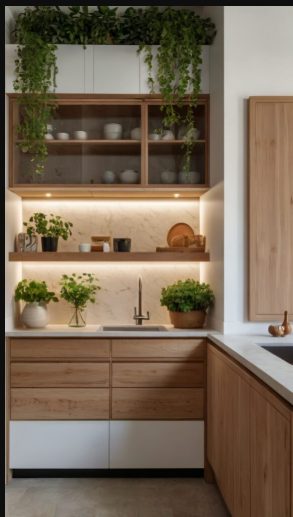
Sustainability lies at the heart of Japandi design. Opt for eco-friendly materials like bamboo, reclaimed wood, or recycled glass, and invest in energy-efficient appliances to reduce your kitchen’s environmental footprint while maintaining a natural, harmonious aesthetic.
12. Customization and Personal Touches

Though Japandi design celebrates simplicity, it also welcomes thoughtful personalization. Add a few meaningful decorative accents—like handcrafted bowls, minimalist artwork, or ceramics—that reflect your individual style while maintaining the serene, balanced aesthetic.
13. A Focus on Flow
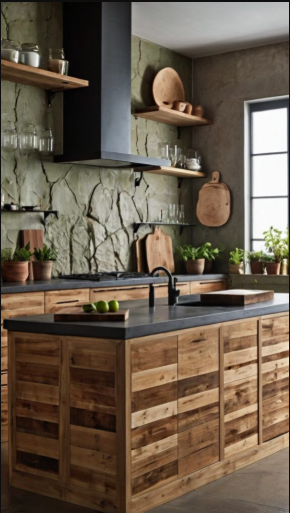
In Japandi design, spatial flow is essential. The layout should promote easy movement and a seamless transition between areas. Achieve this through an open floor plan or a thoughtfully designed arrangement that maximizes space while maintaining a calm, harmonious atmosphere.
14. The Art of Display
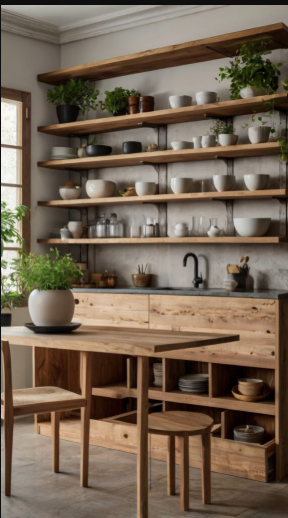
In Japandi kitchens, displays are intentional and minimal, avoiding any sense of clutter. Select a few meaningful items—like antique ceramics or handcrafted utensils—and arrange them thoughtfully to enhance the room’s serene and balanced aesthetic.
15. Seasonal Decor
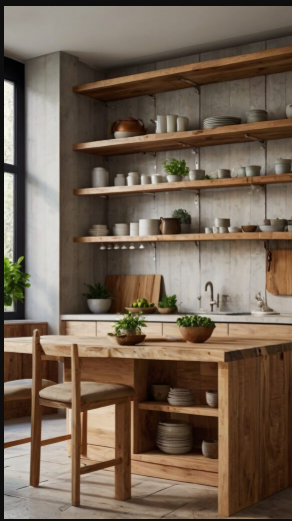
Japandi design celebrates the changing seasons, and your kitchen decor should reflect this. Swap out a few elements each season to bring a fresh, seasonal feel to your space. This could be as simple as changing the color of your dishware or adding seasonal flowers to your plant arrangements.
Conclusion
Creating a Japandi kitchen is not just about aesthetics; it’s about cultivating a space that promotes peace, mindfulness, and a deep connection with nature. By embracing minimalism, natural materials, and thoughtful design, you can transform your kitchen into a serene and inviting retreat. Whether you’re a seasoned designer or a DIY enthusiast, the principles of Japandi design offer a beautiful and rewarding way to enhance your living space.


