
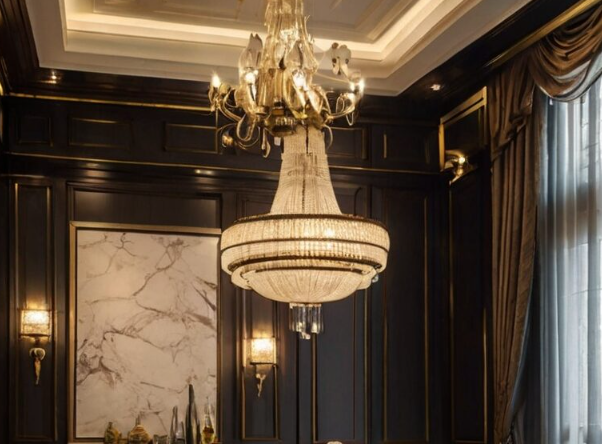
A modern ceiling design is no longer just a structural necessity—it’s a key design element that can completely transform the look and feel of a room. Today’s homeowners and interior designers are embracing the ceiling as a creative focal point, using it to enhance both style and ambiance.
In this post, we’ll explore 10 stunning modern ceiling design ideas that elevate your interiors with a perfect blend of functionality and aesthetic appeal. Whether you’re aiming for minimal elegance, bold architectural flair, or subtle sophistication, these ceiling concepts will inspire you to reimagine what’s above you.
1. Floating Ceilings
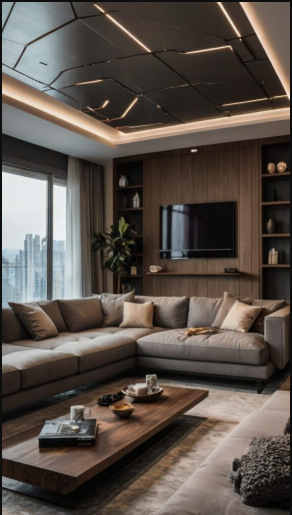
What Are Floating Ceilings?
Floating ceilings—also known as drop ceilings or suspended ceilings—are a sleek and modern design choice that adds depth and dimension to any interior. This style features a secondary ceiling that hangs slightly below the main structural ceiling, creating a subtle “floating” effect. Beyond their visual appeal, floating ceilings also serve practical purposes, such as concealing wiring, pipes, and ductwork for a clean, polished look.
Benefits of Floating Ceilings
- Modern Aesthetic: Floating ceilings bring a refined, contemporary touch to your space, making it look more architectural and stylish.
- Acoustic Improvement: They enhance sound insulation, making them ideal for home theaters, offices, and bedrooms where noise reduction is key.
- Design Flexibility: Available in various materials—like wood, metal, or fabric—floating ceilings can be tailored to complement any interior design style.
Design Ideas
- Wood Planks: Add warmth and texture with reclaimed or natural wood planks for a cozy, organic look.
- Metal Panels: Go for brushed aluminum or steel panels to achieve a bold, industrial aesthetic.
- Integrated Lighting: Incorporate recessed lighting or LED strips along the edges to emphasize the floating effect and create ambient illumination.
2. Exposed Beam Ceilings
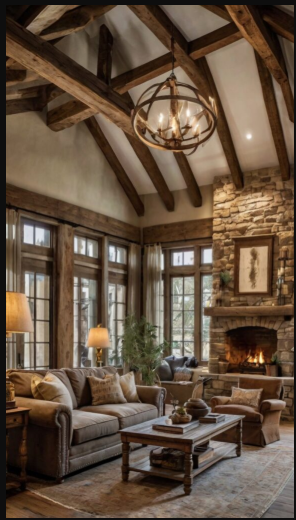
What Are Exposed Beam Ceilings?
Exposed beam ceilings reveal the structural elements of the room, such as wooden or steel beams, adding a raw and authentic aesthetic. This design is particularly popular in industrial and rustic styles, but it can also be adapted to modern and minimalist interiors.
Benefits of Exposed Beam Ceilings
- Visual Interest: Exposed beams create a focal point and add depth to the room.
- Structural Integrity: They can highlight the building’s architecture and engineering.
- Versatility: Exposed beams can be painted, stained, or left in their natural state to suit different design preferences.
Design Ideas
- Natural Wood: Leave the beams in their natural state to emphasize the organic and timeless beauty of wood.
- Contrasting Colors: Paint the beams a contrasting color to make them stand out against the ceiling.
- Lighting: Use pendant lights or spotlights to highlight the beams and create a dramatic effect.
3. Coffered Ceilings

What Are Coffered Ceilings?
Coffered ceilings are characterized by a grid of recessed panels—typically arranged in squares or rectangles—that add architectural depth and timeless sophistication to a space. A design element with roots in classical architecture, modern interpretations of coffered ceilings can complement both traditional and contemporary interiors, offering elegance with a structural edge.
Benefits of Coffered Ceilings
- Elegant Aesthetic: The intricate grid design introduces a sense of grandeur and refinement, elevating the overall ambiance of any room.
- Improved Acoustics: The recessed panels help diffuse sound, making these ceilings ideal for living rooms, dining areas, and home offices.
- Architectural Dimension: The layered texture adds visual interest, drawing the eye upward and giving the room a sense of height and character.
Design Ideas
- Painted Contrast: Paint the recessed panels or beams in contrasting shades to create depth and visual intrigue.
- Mixed Materials: Blend materials like natural wood and metal for a sophisticated, modern twist.
- Integrated Lighting: Incorporate recessed or pendant lighting within the panels to highlight the ceiling’s geometric pattern and add ambient warmth.
4. Vaulted Ceilings
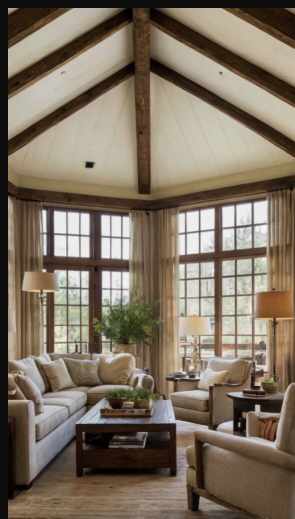
What Are Vaulted Ceilings?
Vaulted ceilings are defined by their high, sloped, or arched design that extends upward, creating a sense of spaciousness and grandeur. Commonly featured in large areas like great rooms, living rooms, and entryways, vaulted ceilings instantly elevate a space—both literally and visually—by drawing the eye upward and enhancing natural light flow.
Benefits of Vaulted Ceilings
- Striking Visual Appeal: The dramatic height adds architectural interest and makes any room feel more expansive and open.
- Enhanced Natural Light: The added elevation allows for larger or higher windows, flooding the space with daylight.
- Improved Air Circulation: The increased volume helps promote better airflow, contributing to a cooler and more comfortable environment.
Design Ideas
- Exposed Wood Beams: Introduce natural wood beams or rafters for warmth and rustic charm.
- Thoughtful Window Placement: Incorporate clerestory or gable windows to maximize sunlight and frame outdoor views.
- Statement Lighting: Use chandeliers, pendant lights, or cascading fixtures to accentuate the ceiling’s height and architectural beauty.
5. Drop Ceilings
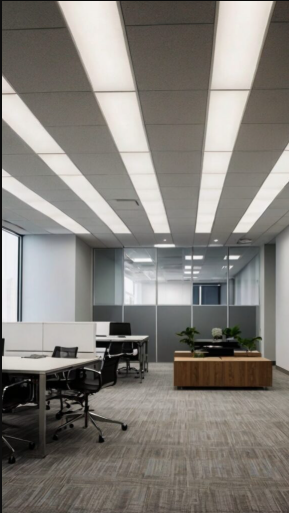
What Are Drop Ceilings?
Drop ceilings—also known as suspended ceilings—are secondary ceilings installed below the main structural ceiling, creating a clean, accessible surface. While they’re often found in commercial spaces, drop ceilings are increasingly used in residential settings to conceal utilities such as HVAC systems, wiring, and plumbing while maintaining a polished appearance.
Benefits of Drop Ceilings
- Concealment: Perfect for hiding pipes, ducts, and cables, drop ceilings provide a neat and streamlined look.
- Easy Maintenance: Removable tiles or panels allow for quick access to utilities for repairs and maintenance.
- Sound Control: Drop ceilings can improve acoustics by reducing noise and enhancing sound insulation.
Design Ideas
- Tile Variety: Explore different tile materials—such as acoustic, metal, or wood tiles—to complement your home’s interior style.
- Integrated Lighting: Add recessed lights or LED strip lighting for both functionality and ambiance.
- Color & Texture: Experiment with color contrasts, patterns, and textured tiles to create a ceiling that’s visually engaging and modern.
6. Tray Ceilings
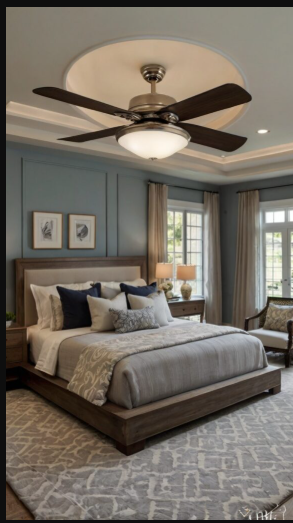
What Are Tray Ceilings?
Tray ceilings feature a recessed or raised central section that creates a step-like design, adding depth and architectural interest to a room. Commonly used in bedrooms, dining rooms, and living spaces, tray ceilings bring an elevated and elegant look that enhances the overall aesthetic of your home.
Benefits of Tray Ceilings
- Sophisticated Style: The layered design adds a touch of luxury and visual drama to any space.
- Enhanced Perception of Height: The recessed center creates the illusion of a taller, more open room.
- Lighting Opportunities: The stepped structure offers an ideal place to incorporate recessed, cove, or pendant lighting for added ambiance.
Design Ideas
- Contrasting Colors: Paint the recessed section or borders in a contrasting hue to highlight the ceiling’s depth and dimension.
- Natural Materials: Incorporate wood or stone finishes to introduce warmth and texture for a more organic feel.
- Layered Lighting: Combine recessed lights, pendant fixtures, or hidden LED strips to accentuate the tray design and create a luxurious, well-lit atmosphere.
7. Beamed Ceilings
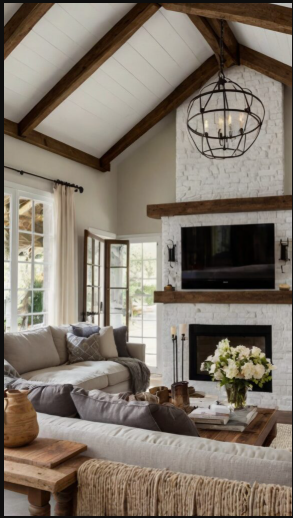
What Are Beamed Ceilings?
Beamed ceilings showcase exposed structural or decorative beams that run across the ceiling, adding depth, texture, and architectural character to a space. While traditionally associated with rustic and industrial styles, beamed ceilings can also be adapted for modern, minimalist, or contemporary interiors.
Benefits of Beamed Ceilings
- Architectural Interest: Exposed beams draw the eye upward, creating a striking focal point that enhances the room’s design.
- Structural Expression: Beams highlight the craftsmanship and architectural integrity of a space.
- Design Flexibility: Whether painted, stained, or left natural, beams can complement a variety of interior styles and color schemes.
8. Cathedral Ceilings
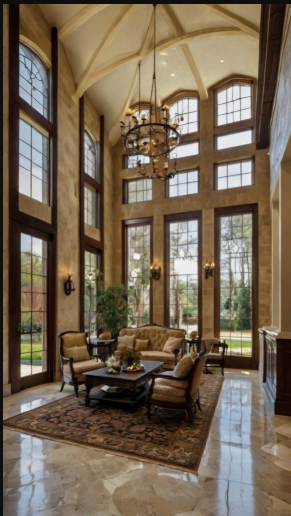
What Are Cathedral Ceilings?
Cathedral ceilings feature a high, symmetrical design that follows the roof’s pitch, creating a stunning sense of height and openness. Commonly found in great rooms, living areas, and entryways, cathedral ceilings bring an architectural elegance that enhances both space and light.
Benefits of Cathedral Ceilings
- Dramatic Visual Appeal: The soaring design creates an impressive focal point and gives any room a grand, airy atmosphere.
- Abundant Natural Light: The elevated height allows for larger or higher windows, filling the space with natural light and connecting the indoors with the outdoors.
- Improved Ventilation: The extra height promotes better air circulation, helping maintain a comfortable environment.
Design Ideas
- Exposed Beams: Highlight the architectural beauty with exposed wooden or steel beams for added warmth and character.
- Strategic Window Placement: Incorporate clerestory or floor-to-ceiling windows to maximize natural light and outdoor views.
- Statement Lighting: Install chandeliers, pendant lights, or track lighting to draw attention to the ceiling’s height and create a stunning visual effect.
9. Geometric Ceilings

What Are Geometric Ceilings?
Geometric ceilings feature bold patterns and shapes—such as hexagons, triangles, or circles—that bring a modern, artistic touch to interior spaces. This design style adds structure and visual depth, making it a popular choice for contemporary, minimalist, or eclectic homes seeking a creative statement overhead.
Benefits of Geometric Ceilings
- Modern Aesthetic: Geometric patterns infuse the room with a sleek, sophisticated, and visually engaging appeal.
- Enhanced Visual Interest: The structured shapes create depth and dimension, turning the ceiling into a striking focal point.
- Customizable Design: Geometric ceilings can be tailored using materials like wood, metal, or glass to complement different interior styles.
Design Ideas
- Mixed Materials: Blend contrasting materials such as wood and metal for a bold, contemporary look.
- Color & Texture Play: Experiment with varying colors, finishes, and textures to emphasize the ceiling’s geometric design.
- Integrated Lighting: Add recessed lighting or LED strips along the geometric lines to accentuate patterns and create a stunning visual effect.
10. Acoustic Ceilings
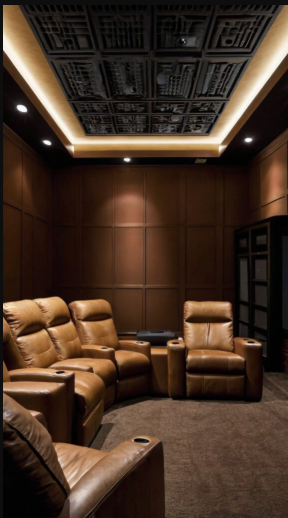
What Are Acoustic Ceilings?
Acoustic ceilings are specifically designed to absorb sound and minimize noise, making them ideal for spaces where audio quality and comfort are priorities, such as home theaters, bedrooms, and offices. They can be crafted from various materials, including acoustic tiles, panels, and specialized fabrics.
Benefits of Acoustic Ceilings
- Enhanced Sound Quality: Acoustic ceilings reduce echo and noise, creating a more comfortable and functional environment.
- Aesthetic Versatility: They can be customized to complement the room’s design while providing practical sound control.
- Customizable Options: Acoustic ceilings are available in a range of materials, colors, and finishes, allowing for a personalized look that suits any style.
Design Ideas
- Material Selection: Choose from acoustic tiles, fabric panels, or modular systems to match the decor and functional needs of your space.
- Color & Texture: Experiment with textures and colors to enhance both the visual and acoustic impact of the ceiling.
- Integrated Lighting: Incorporate recessed lights or LED strips to highlight the ceiling’s design while maintaining a practical lighting solution.
Conclusion
Modern ceiling design is no longer just functional—it’s an opportunity to elevate the style and atmosphere of your home. From floating and coffered ceilings to exposed beams, geometric patterns, and acoustic solutions, the possibilities are endless.
Whether you’re updating an existing space or designing a new interior, treating the ceiling as a design feature can transform your room, combining beauty with practicality to create a unique and inviting environment.


