
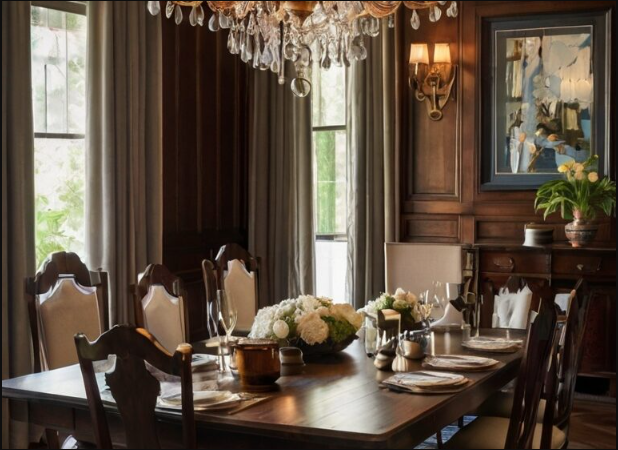
Designing a dining room that balances functionality with style can completely transform your home into a warm and inviting gathering space. Whether you’re planning a full renovation or simply want to give your dining area a fresh new look, the right decor choices can make all the difference. In this comprehensive guide, we’ll explore 10 inspiring dining room decor ideas to help you create a space that’s both beautiful and practical. From selecting the perfect furniture to adding thoughtful finishing touches, these tips will help you craft a dining room that reflects your personal taste and elevates your everyday living experience.
1. Choose the Right Dining Table
Selecting the Perfect Table
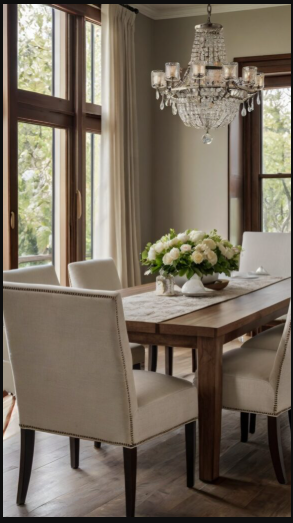
The dining table serves as the heart of your dining room, making the right choice essential for both style and functionality. Start by considering the size and layout of your space. In smaller rooms, round or oval tables are ideal—they maximize space and create a cozy, intimate feel. For larger dining areas, rectangular or square tables offer a more formal look and plenty of seating for gatherings. When it comes to materials, wood, glass, and metal are popular options, each bringing its own charm and level of durability.
Make sure your chosen table fits comfortably in the room while allowing enough space for movement. As a general guideline, leave at least 36 inches of clearance around the table to ensure easy access. If your dining area is compact, consider a drop-leaf or extendable table that can expand for guests and fold away when not needed. In spacious rooms, a large statement table can act as a stunning focal point, perfect for family dinners or hosting parties.
Table Style and Material
The style and material of your table should complement the overall aesthetic of your dining room. For modern or contemporary spaces, a sleek glass or metal table adds a touch of sophistication. In contrast, a wooden table—especially one with carved details or a distressed finish—can bring warmth and rustic charm to traditional settings. When choosing the material, think about maintenance and longevity. Families with children or pets might prefer durable, easy-to-clean surfaces that can withstand daily use while maintaining their appeal.
2. Select Comfortable and Stylish Chairs
Chair Comfort and Design
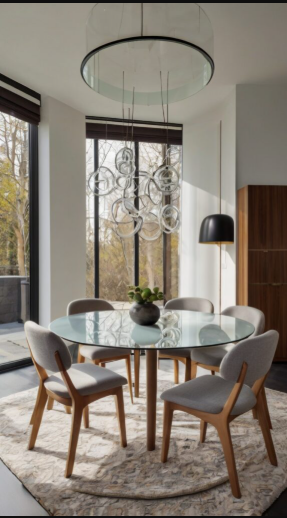
Comfortable seating is key to creating a dining room that feels both functional and welcoming. Choose chairs that provide proper back support and are comfortable enough for long meals and conversations. The design should harmonize with your dining table and the room’s overall style. Upholstered chairs offer a sense of luxury and coziness, while wooden or metal designs lend a more streamlined, minimalist look.
Chair Variety and Mix-and-Match
Don’t hesitate to experiment with different chair styles for a more eclectic and personalized vibe. Mixing materials, colors, or designs can add depth and character to your dining space. For instance, you might pair upholstered end chairs with wooden or metal side chairs for contrast and visual balance. This approach works especially well with large dining tables, adding personality and a relaxed, curated feel to the setting.
Chair Height and Spacing
Make sure your chairs are proportionate to your table for a comfortable dining experience. Ideally, the seat height should sit about 12 inches below the tabletop to provide adequate legroom. When arranging chairs, leave enough space between each one—typically around 24 inches per seat—to allow for easy movement and prevent the area from feeling crowded.
3. Add a Statement Chandelier
Lighting as a Focal Point
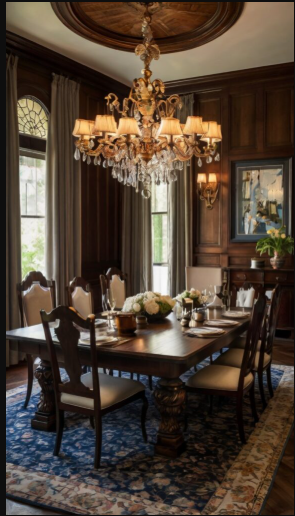
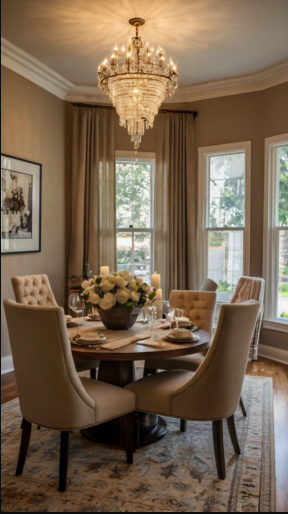
A striking chandelier can instantly elevate your dining room, adding both elegance and visual impact. Choose a fixture that complements your room’s overall style while providing sufficient illumination for the space. In a modern or contemporary dining area, a sleek, minimalist chandelier works beautifully, creating a clean and sophisticated look. For a more traditional or romantic feel, opt for a chandelier with intricate detailing and warm-toned lighting to foster a cozy, inviting ambiance.
Chandelier Size and Placement
The chandelier should be proportionate to the size of your dining table and room. A fixture that’s too large can overpower a small space, while one that’s too small may seem insignificant in a larger room. As a general guideline, the chandelier’s width should be about one-quarter to one-third the width of your dining table. For ideal placement, hang it approximately 30 to 36 inches above the tabletop—high enough to provide ample light without obstructing views across the table.
Chandelier Style and Finish
Select a chandelier style and finish that harmonize with your dining room’s decor. In neutral or monochrome spaces, a chandelier in a bold metallic finish—like gold, brass, or black—can serve as an eye-catching statement piece. For a softer, more subtle effect, consider a fixture with a brushed, matte, or distressed finish to add understated sophistication and timeless appeal.
4. Incorporate Warm and Inviting Lighting
Layered Lighting
Beyond a statement chandelier, layering your lighting can dramatically enhance the ambiance and functionality of your dining room. Combine different types of lighting—overhead, ambient, and task—to create a balanced, inviting atmosphere. Overhead fixtures like recessed lights or a ceiling fan with a light provide general illumination, while ambient lighting from wall sconces or floor lamps adds warmth and depth. Task lighting, such as under-cabinet lights or an adjustable chandelier, is perfect for meal prep and dining, ensuring both style and practicality.
Dimmable Lighting
Adding dimmable lighting is a simple yet effective way to set the right mood for any occasion. Install dimmer switches for your chandelier, recessed lights, or wall sconces to easily control brightness and ambiance. This flexibility lets you transition effortlessly from bright, functional lighting for family dinners to a softer, more romantic glow for evening gatherings.
Natural Light
Take full advantage of natural light to make your dining room feel bright and spacious. Use sheer or light-colored curtains and blinds that let sunlight gently filter in. Natural light not only enhances the room’s warmth but also highlights your decor beautifully. If your dining area doesn’t receive much sunlight, strategically placing mirrors can help reflect and amplify the available light, creating an airy, open feel.
5. Choose the Right Wall Color
Color Psychology
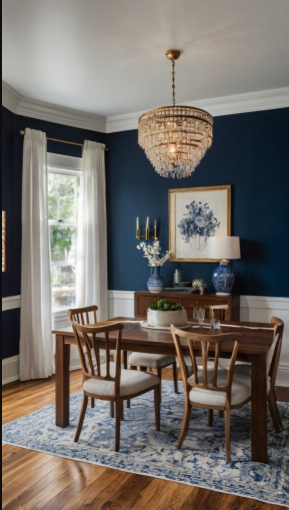
The color palette of your dining room sets the tone for the entire space and greatly influences its mood and atmosphere. Warm hues like red, orange, and yellow create a lively, welcoming energy that encourages conversation and connection. Cooler tones such as blue, green, and lavender evoke a sense of calm and relaxation, perfect for peaceful dining experiences. For a timeless and versatile appeal, neutral shades like white, beige, and gray offer sophistication and pair beautifully with a wide range of decor styles.
Accent Walls
To introduce depth and personality to your dining room, consider adding an accent wall. This feature can be painted in a contrasting hue or enhanced with patterned wallpaper to create visual interest and a focal point. Choose colors or designs that harmonize with your existing decor while adding a layer of charm and dimension to the space.
Wall Paint and Finish
The paint finish you select can be just as important as the color itself. Flat or matte finishes lend an elegant, smooth appearance that helps conceal wall imperfections. Satin and eggshell finishes offer a soft sheen and are easy to maintain—perfect for areas that see frequent use. For a more striking, polished effect, a glossy finish can reflect light beautifully, though it may highlight minor flaws.
6. Add a Refined Rug
Rug Placement
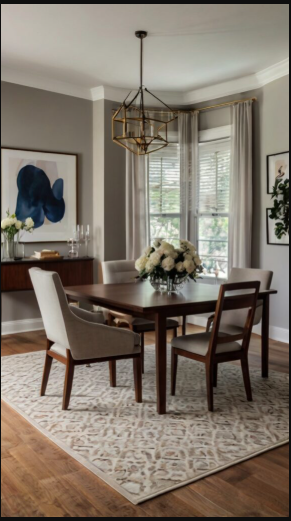
A well-chosen rug can instantly elevate your dining room by adding warmth, texture, and visual balance. Position the rug beneath your dining table to define the space and create a cohesive look. Ensure the rug is large enough for all chairs to remain on it—even when pulled out for seating. As a guideline, select a rug that extends at least 24 inches beyond the table on every side to maintain proportion and functionality.
Rug Material and Style
Your rug’s material and design should complement the overall theme of your dining room. In a modern or contemporary space, opt for a sleek, minimal rug in neutral tones or with geometric patterns for a clean, sophisticated feel. For traditional or rustic interiors, a rug featuring intricate patterns, rich hues, or vintage motifs can introduce warmth and character to the room.
Rug Maintenance
Since dining rooms often experience spills and frequent use, it’s important to choose a rug that’s easy to clean and durable. Natural fiber options like wool or cotton are both resilient and easy to maintain. For a more budget-friendly and low-maintenance choice, synthetic materials such as nylon or polyester offer excellent durability and stain resistance while maintaining an attractive look.
7. Decorate with Art and Accessories
Wall Art
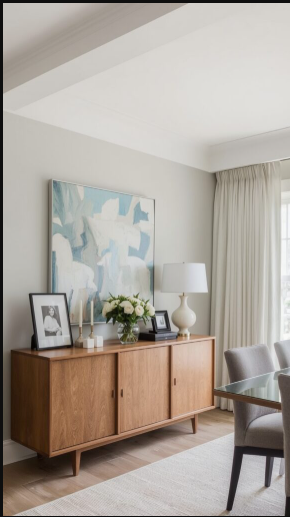
Incorporating art into your dining room is an excellent way to infuse personality and visual appeal into the space. Select pieces that harmonize with your room’s color palette and overall design style. Large statement artworks can serve as a striking focal point, while smaller pieces can be arranged in a gallery-style layout for a curated and cohesive look. To enhance the effect, frame your artwork in finishes that complement your dining room’s decor—such as sleek metal frames for modern spaces or ornate wood frames for traditional settings.
Decorative Accessories
Thoughtfully chosen accessories can bring warmth and individuality to your dining room. Accents like vases, candle holders, and picture frames can be artfully arranged on a sideboard, buffet, or mantel to create a focal display. When selecting these items, aim for a mix of textures and finishes that reflect your personality while maintaining balance with the existing decor.
Seasonal Decor
Rotating seasonal accents is a simple yet effective way to keep your dining space feeling refreshed throughout the year. For autumn, consider centerpieces featuring pumpkins, dried leaves, and warm tones. During winter, add a festive wreath, candles, or metallic accents for a cozy and elegant touch. Seasonal decor allows your dining room to evolve naturally with the time of year, creating a welcoming and ever-changing atmosphere.
8. Create a Cozy and Functional Sideboard
Sideboard Functionality
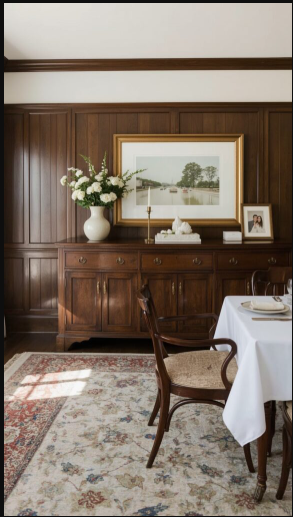
A sideboard is a practical and stylish addition to any dining room, offering both storage and display space. Use it to neatly organize table linens, dishware, and other dining essentials while keeping them within easy reach. Beyond storage, a sideboard also serves as a beautiful display area for artwork, decorative pieces, or family photos. When selecting one, look for a design that combines style with functionality—featuring drawers, shelves, or cabinets that suit your specific storage needs.
Sideboard Style
Choose a sideboard that complements the overall aesthetic of your dining room. For a modern or contemporary space, opt for a sleek design with clean lines and minimal detailing. If your dining room leans toward a traditional or rustic look, a sideboard crafted from rich wood with carved details can bring warmth and timeless charm. The finish and hardware should also coordinate with other elements in the room for a cohesive appearance.
Sideboard Placement
Position your sideboard where it enhances both the functionality and flow of the room. It can serve as an elegant focal point along a feature wall or sit conveniently near the dining table for easy access during meals. Make sure the placement allows enough space for movement and that cabinet doors or drawers can open freely without obstruction.
9. Use Textiles to Add Comfort and Style

Table Linens
Table linens bring both elegance and warmth to your dining space, helping to set the tone for any occasion. Select tablecloths, placemats, and napkins that harmonize with your dining room’s color scheme and overall style. For a refined, formal look, opt for a crisp white or neutral tablecloth paired with neatly folded, elegant napkins. In a more casual or contemporary setting, experiment with textured runners, patterned placemats, or vibrant colors to infuse personality and charm into the room.
Window Treatments
Window treatments play a key role in defining the mood and functionality of your dining area. Choose curtains, blinds, or shades that complement your decor while offering the right balance of light and privacy. Sheer, light-colored curtains can create an airy, sunlit atmosphere, whereas darker drapes can provide a cozy, intimate feel. For added versatility and visual depth, consider layering window treatments—pairing sheer panels with heavier drapes or Roman shades.
Throw Pillows and Blankets
Incorporating throw pillows and blankets can make your dining room feel more comfortable and inviting. Add a few plush pillows to accent dining chairs or drape a soft throw blanket over a side chair or bench to introduce warmth and texture. Choose fabrics and patterns that complement your existing decor, tying together your color palette while adding an extra layer of coziness and style.
10. Personalize Your Dining Room
Personal Touches
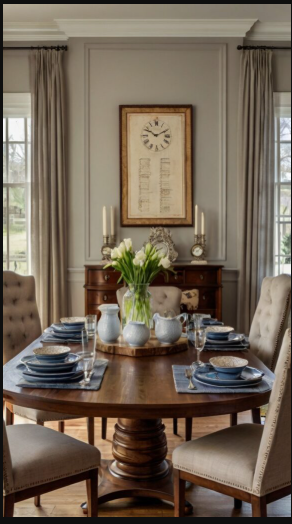
Incorporating personal touches into your dining room helps create a space that truly feels like home. Display cherished family photos, treasured heirlooms, or sentimental decor pieces that tell your story. These meaningful additions not only reflect your personality but also make your dining room more welcoming and memorable for guests.
Themed Decor
Consider designing your dining room around a theme that highlights your passions or lifestyle. For instance, a travel-inspired dining space could feature vintage maps, globes, and artwork from your favorite destinations. If you’re a food enthusiast, showcase your favorite cookbooks, unique kitchenware, or culinary-inspired art. A themed approach adds personality and transforms your dining room into a reflection of what you love most.
DIY Projects
Add a creative and personal flair through DIY projects. Whether you paint your own wall art, refinish an old sideboard, or craft custom table linens, these projects infuse your space with individuality and charm. Plus, handmade elements bring a sense of pride and authenticity that store-bought decor simply can’t match.
Conclusion
Designing a dining room that’s both beautiful and functional can greatly enhance your home’s atmosphere and your everyday living experience. From selecting the perfect table and comfortable seating to adding striking lighting and thoughtful decor accents, every detail contributes to creating a warm, inviting space. Whether your dining area is large or cozy, these 10 dining room decor ideas will help you maximize its potential—turning it into a stylish, welcoming retreat that you and your loved ones will enjoy for years to come.


